

 03 July 2026
Understanding the Nutritional Profile of Fox Nuts (Makhana): A 2026 Guide
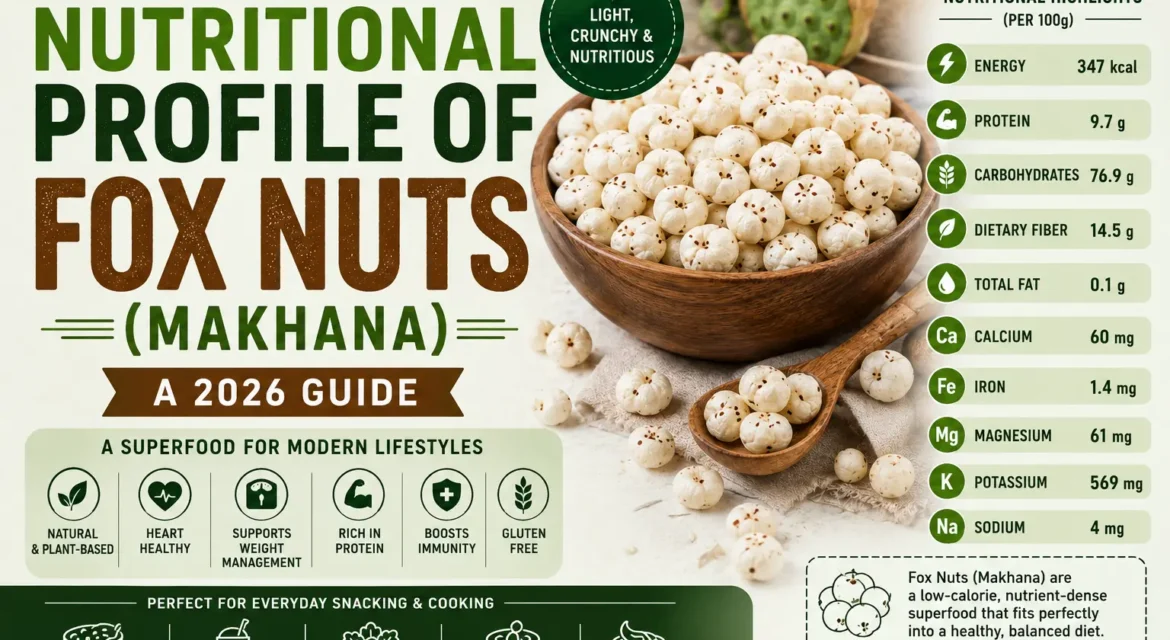
Quick Answer: Fox nuts, commonly known as makhana or lotus seeds, are a highly nutritious, low-fat, and low-glycemic-index (GI) snack. A 100-gram serving provides approximately 347 calories, 9.7 grams of plant-based protein, 14.5 grams of dietary fiber, and almost zero fat (0.1g). Rich in magnesium, calcium, and antioxidants like kaempferol, they support heart health, regulate blood sugar, and aid in weight management.
Stock Your Shelves with the Ultimate Superfood
Are you a retail brand or wholesale buyer looking to capitalize on the health benefits of Fox Nuts? Partner with Civize for strictly graded, highly nutritious bulk Makhana exports.
Table of Contents
The Makhana Awakening: More Than Just a Snack
I remember the first time I was handed a bowl of roasted makhana. It was during a festive season in India, and my grandmother had lightly tossed these white, puffy spheres in a teardrop of ghee and black pepper. They crunched like popcorn but didn’t leave that heavy, oily residue on my fingers. Years later, working alongside clinical nutritionists, I watched these humble seeds transform from a traditional fasting food into a global superfood sensation.
But does the science match the hype?
As consumers increasingly seek out plant-based, gluten-free, and gut-friendly snacks, fox nuts have quietly entered the chat, outperforming heavily processed alternatives. This thorough book explains the precise nutritional structure of fox nuts, provides clinical evidence to support health claims, and explains how to include them in a contemporary diet.
What Exactly Are Fox Nuts?
Despite the name, fox nuts are not actually tree nuts. They are the puffed seeds of the Euryale ferox plant, a species of water lily that grows in the stagnant wetlands of Eastern Asia. India currently produces over 90% of the world’s commercial makhana supply.
Because they are seeds rather than tree nuts, they are generally safe for individuals with nut allergies, making them a highly versatile ingredient in schools and allergy-conscious households.
The Deep Dive: Fox Nuts Nutritional Profile
If you want to understand why dietitians recommend makhana, you have to look at the macros. Unlike almonds or walnuts, which are heavy in fats (albeit healthy ones), makhana is a complex carbohydrate powerhouse with an extraordinary fiber-to-calorie ratio.
Here is the nutritional breakdown per 100 grams of unroasted fox nuts:
| Nutrient | Amount (per 100g) | What it does for you |
|---|---|---|
| Calories | 347 kcal | Provides sustained energy without heavy density. |
| Protein | 9.7 g | Supports muscle repair; a solid plant-based boost. |
| Total Fat | 0.1 g | Virtually fat-free, making it ideal for heart health. |
| Carbohydrates | 76.9 g | Complex carbs for long-lasting satiety. |
| Dietary Fiber | 14.5 g | Excellent for gut motility and regulating blood sugar. |
| Calcium | 60 mg | Supports bone mineral density. |
| Magnesium | 221 mg | Regulates blood pressure and supports sleep. |
| Iron | 1.9 mg | Aids in oxygen transport in the blood. |
The Calorie Myth: A common misconception is that makhana has “zero calories.” While a 100g serving has 347 calories, a standard snacking portion is only about 30 grams (roughly 1.5 cups), which equates to just over 100 calories. Because they are so light and airy, you get high volume for very few calories.
7 Science-Backed Health Benefits
1. Superior Blood Sugar Management
With a very low Glycemic Index (GI) of around 22, makhana releases glucose into the bloodstream slowly. The massive 14.5g of dietary fiber per 100g further blunts insulin spikes, making this an elite snack for individuals managing Type 2 Diabetes or PCOS.
2. Cardiovascular Support
Heart health isn’t just about what you avoid (like trans fats); it’s about what you consume. Fox nuts have virtually zero cholesterol and saturated fat. More importantly, they deliver a potent dose of magnesium and potassium, minerals clinically proven to relax blood vessel walls and lower hypertension.
3. Anti-Aging and Cellular Repair
Makhana is incredibly rich in specific antioxidants—namely kaempferol and quercetin. These plant flavonoids neutralize free radicals, reduce oxidative stress, and fight chronic low-grade inflammation. Kaempferol is heavily studied for its ability to prevent the breakdown of collagen, keeping skin firm and youthful.
4. Effortless Weight Management
Weight loss comes down to a caloric deficit, but staying in a deficit is hard when you’re hungry. The protein and high dietary fiber in fox nuts slow down gastric emptying. You feel fuller, faster, and for much longer than you would eating a bag of potato chips.
5. Gut Health and Digestion
The 14.5g of fiber doesn’t just keep you full; it acts as a prebiotic. It feeds beneficial gut bacteria, adds bulk to your stool, and ensures regular bowel movements without the need for artificial laxatives.
6. Natural Sleep Aid
Struggling with insomnia? The high magnesium content (221 mg per 100g) regulates the nervous system and aids in the production of melatonin. A small handful of roasted makhana an hour before bed can lower cortisol levels and ease anxiety.
7. Kidney Function
In traditional Ayurvedic medicine, lotus seeds are prescribed for kidney health. They possess mild diuretic properties that help flush toxins and reduce the risk of kidney stone formation (though individuals prone to oxalate stones should consume them in moderation).
Comparison: Fox Nuts vs. Almonds
I usually answer clients who ask, “Should I eat makhana or almonds?” with, “Both, but for different reasons.”
Let’s look at a head-to-head comparison per 100g:
| Metric (per 100g) | Fox Nuts (Makhana) | Almonds (Raw) | The Winner For… |
|---|---|---|---|
| Calories | 347 kcal | 579 kcal | Fox Nuts (Weight loss/Volume eating) |
| Total Fat | 0.1 g | 49.9 g | Fox Nuts (Low-fat diets) |
| Protein | 9.7 g | 21.1 g | Almonds (Muscle building) |
| Dietary Fiber | 14.5 g | 12.5 g | Fox Nuts (Gut health) |
| Vitamin E | Trace | 25.6 mg | Almonds (Skin & Hair) |
The Verdict: If you need a calorie-dense, high-protein, healthy-fat boost to keep you going on a hike, choose almonds. If you want a massive bowl of crunchy snacks while watching a movie without blowing your daily calorie budget, fox nuts win every time.
How to Perfectly Roast Makhana
Raw makhana is tough, chewy, and sticks to your teeth. To unlock its nutritional bioavailability and incredible texture, it must be roasted.
- Dry Roast the Seeds: Do not add oil yet. Heat a heavy-bottomed pan or skillet over low to medium heat. Add the raw fox nuts. Dry roast them slowly for 5 to 7 minutes, stirring continuously so they don’t burn.
- The Crunch Test: Take one makhana and let it cool for 3 seconds. Crush it between your fingers. If it shatters readily, like popcorn, it is ready. If it’s still chewy, roast for an additional 2 minutes.
- Add the Binder (Ghee/Oil): Keep the heat very low. Push the roasted makhana to the edges of the pan. In the center, add 1 to 2 teaspoons of grass-fed ghee or cold-pressed coconut oil. Let it melt.
- Spice and Toss: Quickly add your spices to the oil (turmeric, black salt, a pinch of chaat masala, or black pepper) so they bloom.Toss the makhana immediately to evenly coat in the spicy oil.
- Cool Completely: Move the makhana to a large plate to cool fully. Do not put them in a container while warm, or the trapped steam will make them soggy!
Frequently Asked Questions
Stock Your Shelves with the Ultimate Superfood
Are you a retail brand or wholesale buyer looking to capitalize on the health benefits of Fox Nuts? Partner with Civize for strictly graded, highly nutritious bulk Makhana exports.